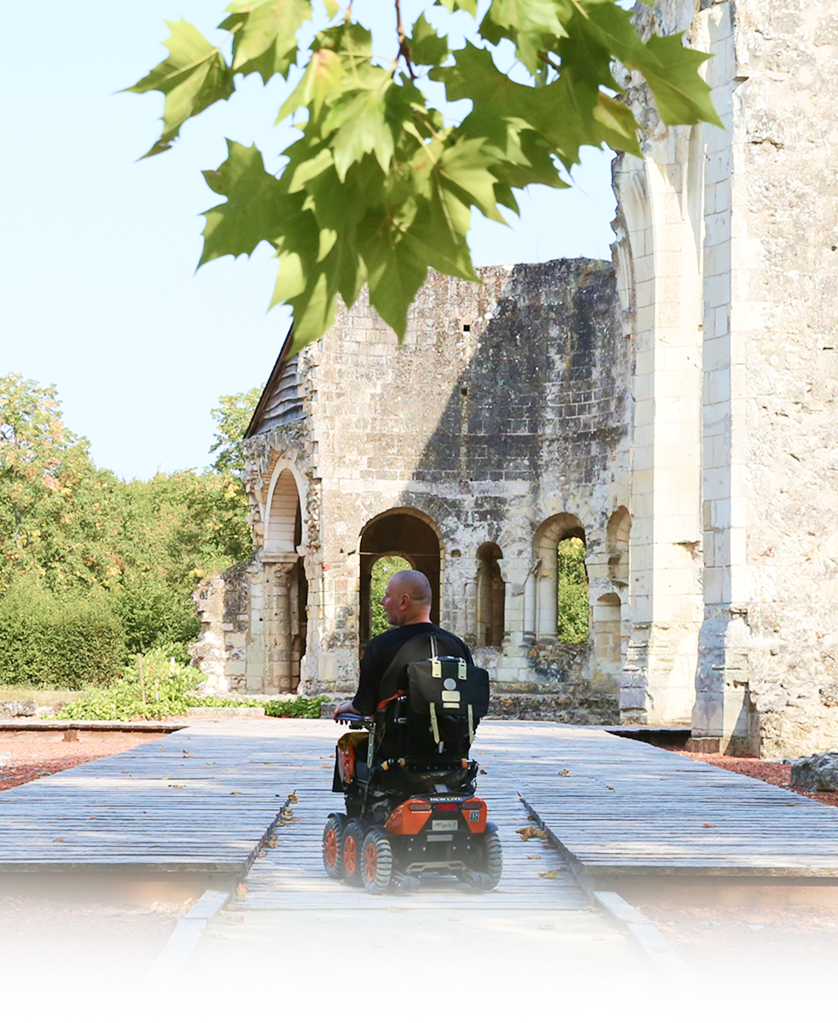
Beyond muscle weakness, FSHD can impact several aspects of daily life. Many patients experience chronic fatigue, difficulties with arm elevation, scapular winging, or challenges performing activities that require strength or endurance, notably because of the asymmetrical muscle degradation patterns. Some may also develop hearing loss or eye-related complications, although these are less frequent.
The progression of FSHD is generally slow, but it varies greatly from one individual to another. Regular clinical follow-up is essential to monitor mobility, respiratory function, and overall health. Physical therapy, tailored exercise programs, pain management strategies, and orthopedic support play an important role in maintaining function and improving quality of life.
Research in FSHD is advancing rapidly. Scientists are exploring several therapeutic strategies, including gene-targeted approaches to inhibit DUX4, anti-inflammatory and antioxidant therapies, and muscle-regeneration enhancement. These efforts aim to slow disease progression and ultimately offer more effective treatment options for patients.